Horse Racing Live Streaming and Betting – Where to Watch and Wager in Real Time
 Available in US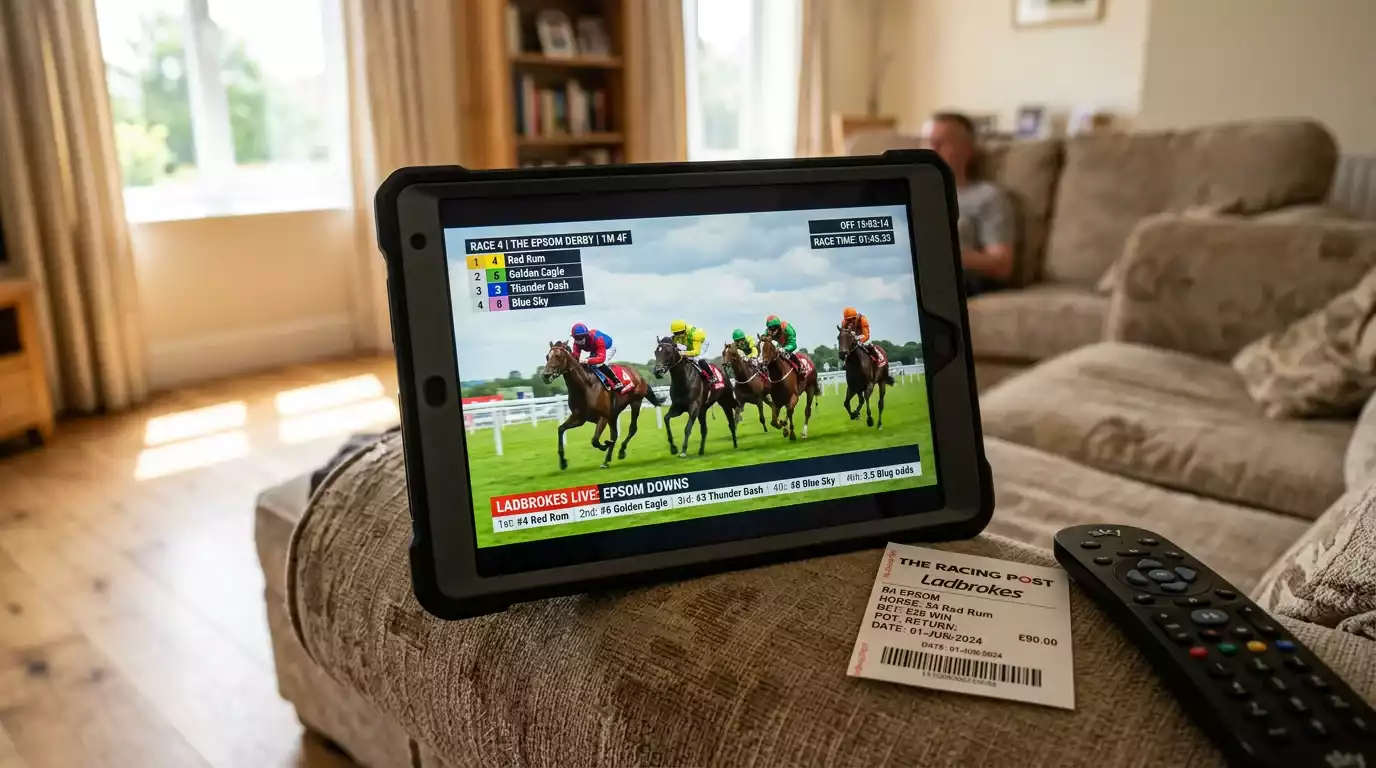
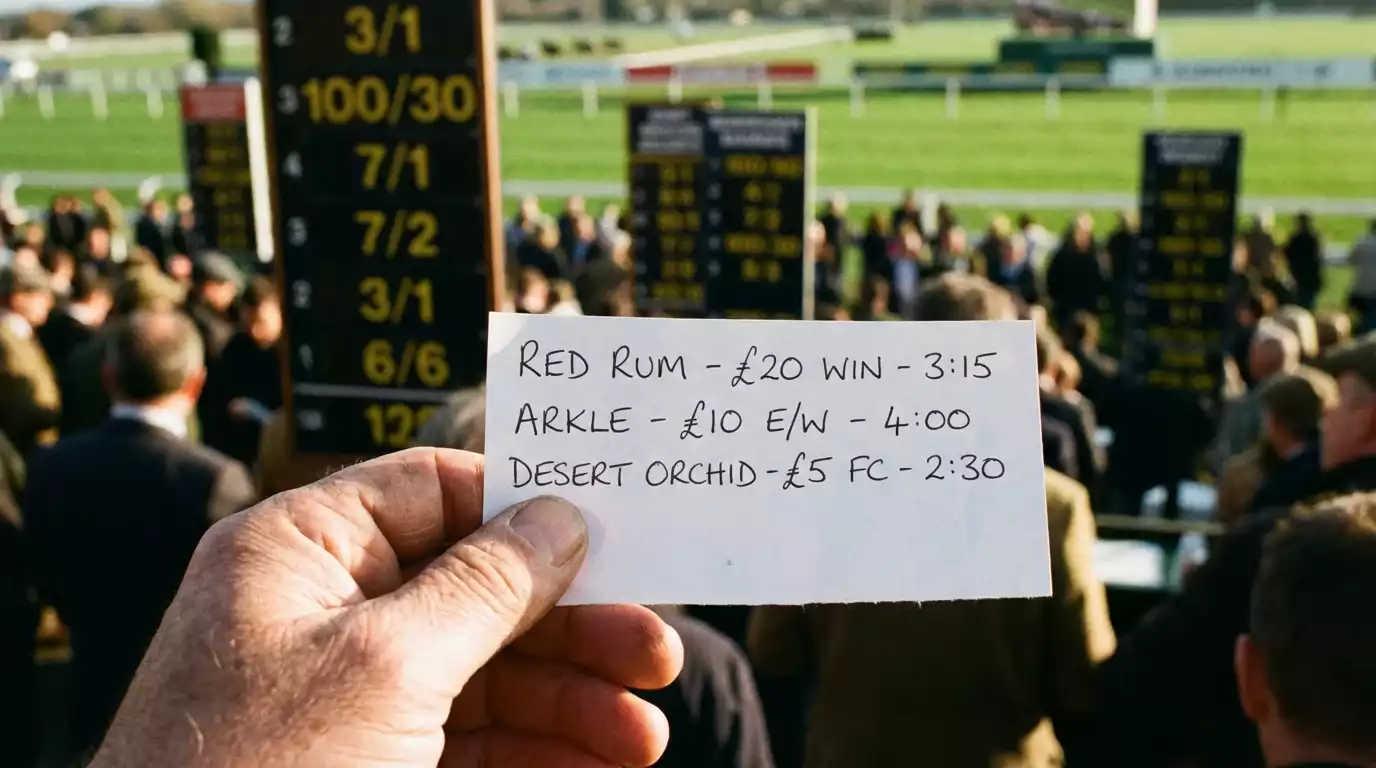
There was a time when watching a race you’d bet on meant either being at the course, finding a betting shop, or hovering over a radio commentary with your heart hammering. The first time I streamed a race on my phone – sitting on a train somewhere between Reading and Paddington – it felt like the future had arrived overnight. Ten years later, live streaming is so embedded in UK horse racing betting that it’s hard to imagine the two existing separately.
But not all streams are equal. The quality, delay, coverage, and access requirements vary enormously between operators and platforms, and those differences matter far more than most punters realise – especially if you’re betting in-play.
Bookmaker Live Streams – Access Requirements and Coverage
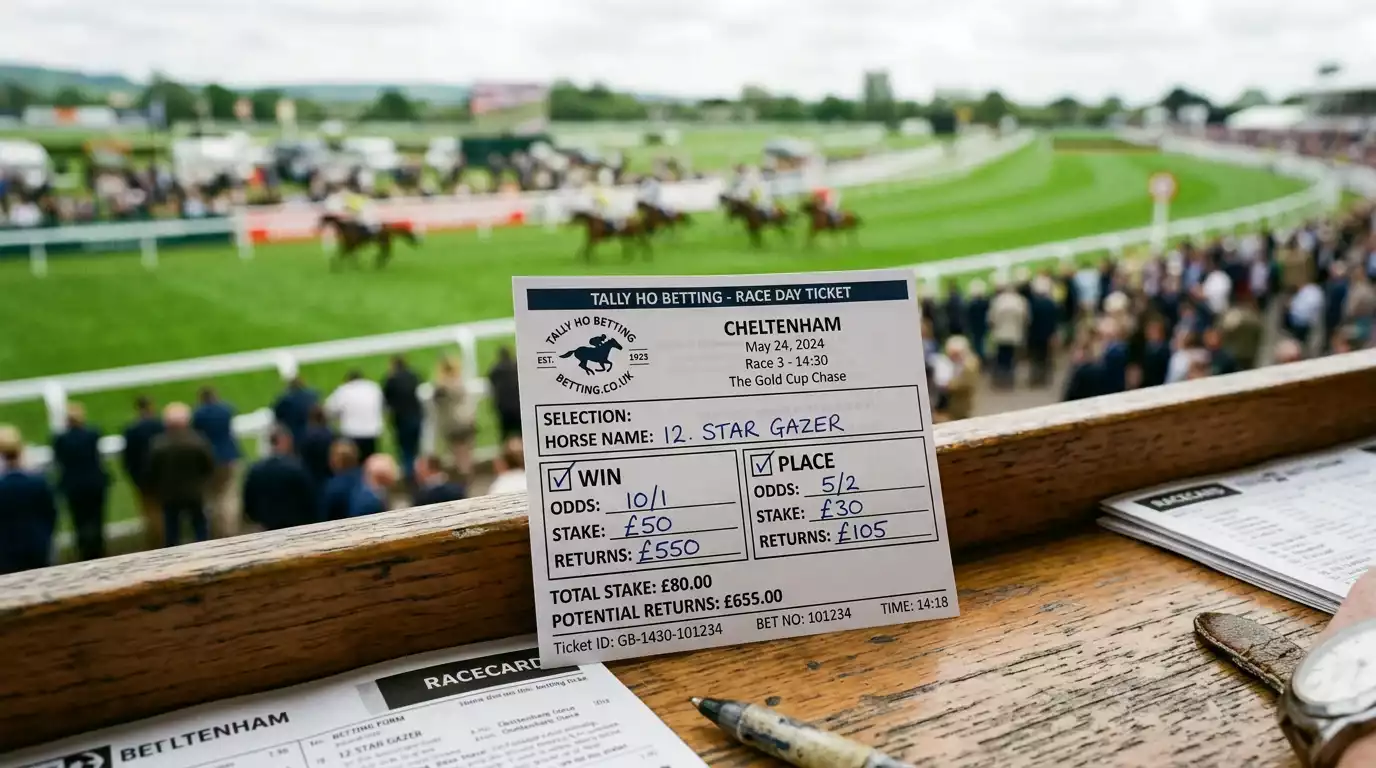
Most major UK bookmakers offer live streaming of horse racing directly through their websites and mobile apps. The access model is broadly similar across the industry: you need an active account and, in most cases, either a funded account or a bet placed on the race in question within the last 24 hours. The exact requirements differ by operator – some require a minimum balance of GBP1, others ask for a bet of any size on the day’s racing.
Coverage varies significantly. The larger operators stream most UK and Irish racing, covering the majority of daily fixtures from all 59 licensed British racecourses plus the main Irish venues. Smaller operators may limit streaming to feature meetings or specific times of day. International racing – French, Australian, South African – is more patchily covered and often reserved for premium fixtures.
The streams themselves are sourced from the same feed providers, so the video quality is broadly comparable across operators. What differs is the interface: some bookmakers overlay live odds onto the stream, some display the racecard alongside the video, and some offer picture-in-picture functionality so you can watch one race while browsing the card for the next. These interface differences sound minor until you’re trying to place a bet during a race and the odds panel is buried three clicks deep.
One practical point that catches new users: bookmaker streams are not available at the racecourse itself. Geolocation restrictions prevent you from watching a bookmaker’s stream while physically at the venue. This is a licensing condition, not a technical limitation – the racecourse media rights are separate from the online streaming rights.
Racing TV, Sky Sports Racing, and ITV – Paid and Free Options
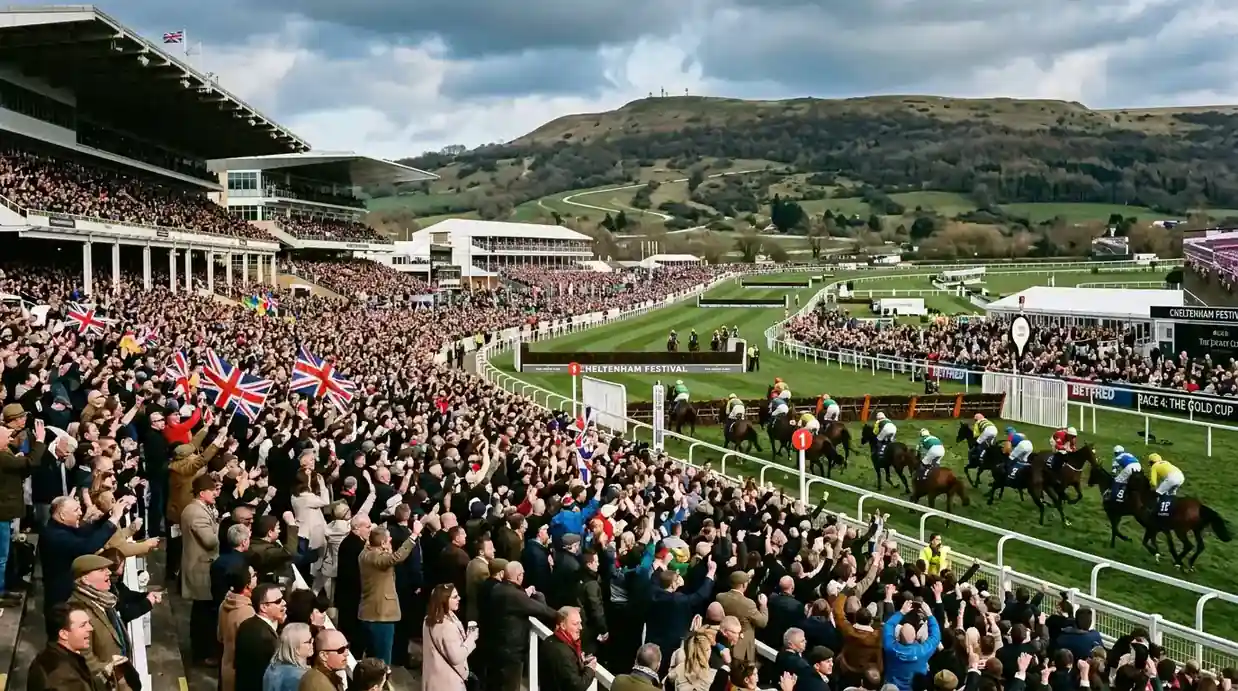
Beyond the bookmakers, dedicated racing channels offer the most comprehensive coverage. Racing TV is the subscription service owned by a consortium of UK racecourses and covers over 60 racecourses across Britain and Ireland. Sky Sports Racing, included in certain Sky TV packages, provides an alternative feed with its own presentation team and additional international racing. ITV broadcasts the biggest meetings – Cheltenham, Aintree, Royal Ascot, the Derby – free-to-air.
Racecourse attendance reached 5.031 million in 2025, the first time it cleared five million since before the pandemic. That growing audience watches through an increasingly fragmented set of channels, and no single platform has complete coverage of the entire fixture programme. Racing TV comes closest for domestic racing but requires a subscription of around GBP30 per month. ITV is free but covers only the cream of the calendar – roughly 90 days of racing from the peak season.
For the betting-focused viewer, the bookmaker streams are the most practical option. They’re free (with a funded account), they’re available on mobile, and they’re integrated with the betting interface. The dedicated channels offer superior production values, expert analysis, and paddock coverage that bookmaker streams lack – but you can’t place a bet directly from the Racing TV app.
In-Play Betting During Live Racing – Mechanics and Timing
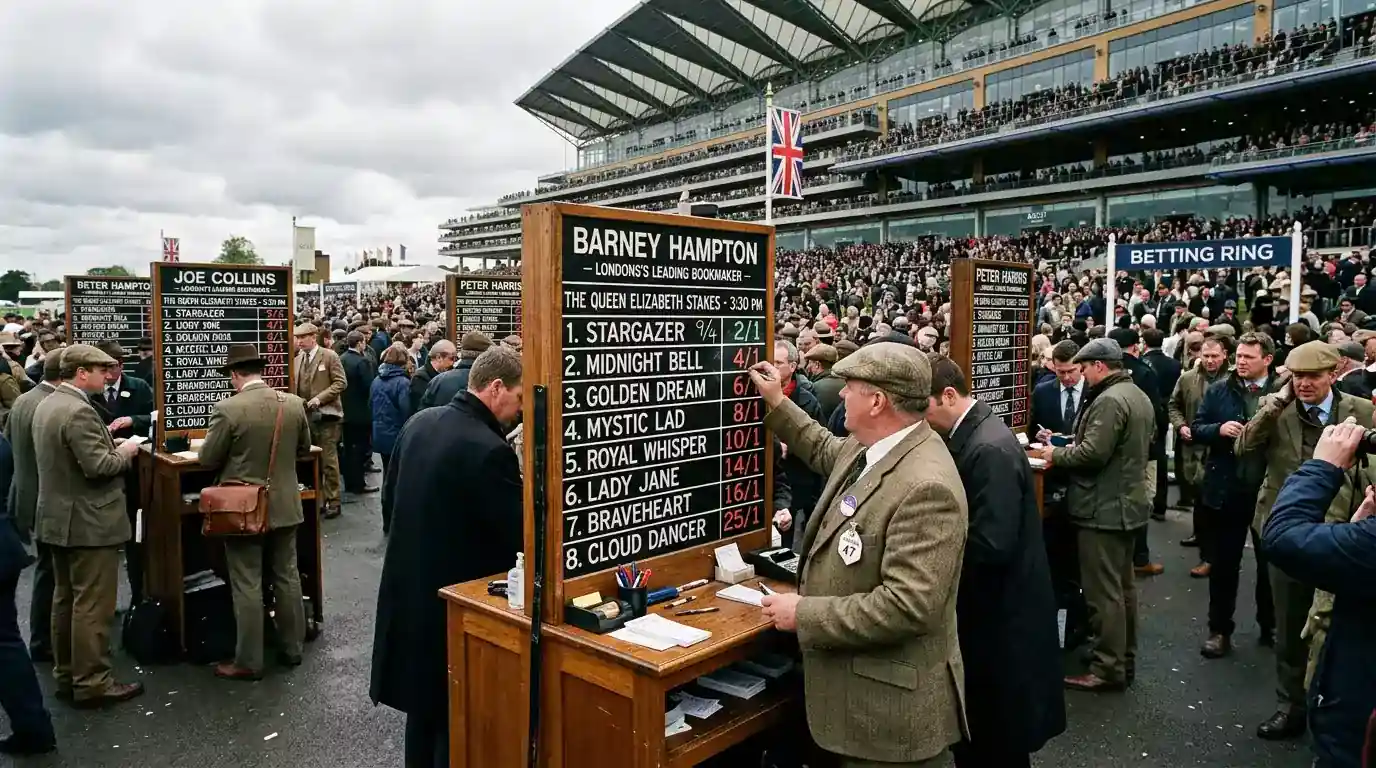
Live streaming transformed horse racing betting by enabling widespread in-play wagering. Before reliable streams, in-play betting was the preserve of on-course punters and exchange traders with satellite feeds. Now, anyone with a phone and a bookmaker account can bet during a race – and the market generated GBP766.7 million in remote horse racing GGY in 2024-25, a substantial portion of which comes from in-play activity.
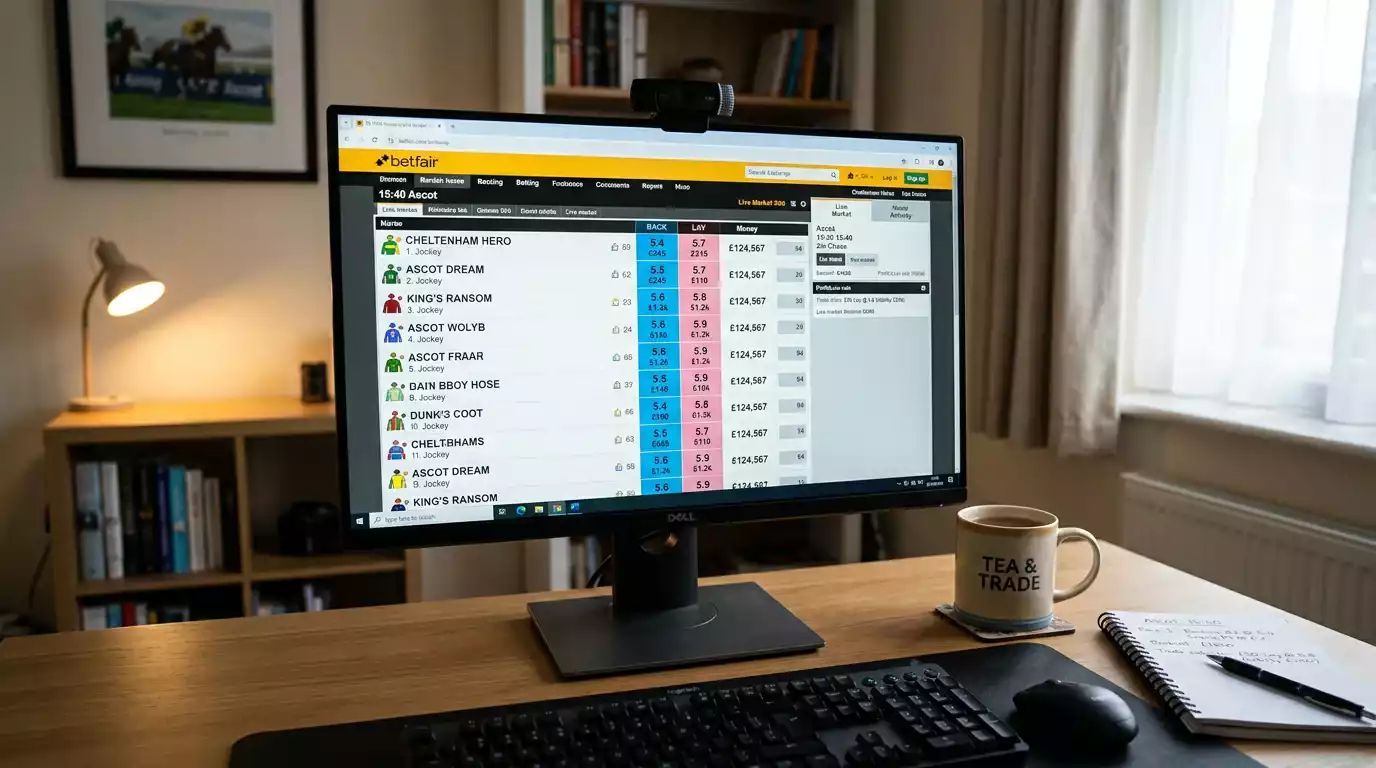
In-play betting on horse racing works differently from sports like football or tennis. A horse race is short – two to five minutes for most events – and the market moves at extraordinary speed. Prices shift by multiple points in seconds as horses move through the field, take up running positions, and encounter obstacles. The exchange in-play market, where you can both back and lay during the race, is the most liquid in-running market in any sport.
Bookmaker in-play is more restrictive. Most operators offer a limited set of in-play odds during the race, updated in intervals rather than continuously. The prices available tend to be less competitive than the exchange because the bookmaker is managing risk in real time rather than facilitating a peer-to-peer market. Some operators suspend in-play betting in the final stages of a race, when the outcome is all but decided.
The critical factor for in-play betting is your ability to read a race as it unfolds – assessing pace, position, and likely finishing order before the market does. This is a genuine skill that improves with experience, and it’s the reason in-play racing remains one of the few betting markets where an informed punter can consistently find an edge.
Stream Quality and Delay – What Affects Your In-Play Edge
Every live stream runs with a delay. The question is how much, and the answer determines whether in-play betting is a viable strategy or a frustrating exercise in being behind the market.
Bookmaker streams typically run 3-8 seconds behind the live action. Exchange platforms like Betfair have their own streams with similar delays. On-course punters with direct line of sight to the race have zero delay. Dedicated satellite feeds – used by professional traders – run 1-2 seconds behind real time. This delay hierarchy creates an information advantage for those closest to the source and a corresponding disadvantage for anyone relying on a standard bookmaker stream.
In practical terms, a 5-second delay means that by the time you see a horse hitting the front two furlongs out on your stream, the in-play market has already reacted. Attempting to back a horse at the price you’re seeing on a delayed stream is a losing strategy – the odds available when your bet reaches the server will already reflect what happened 5 seconds ago.
The workaround, and the approach used by experienced in-play bettors, is to use the stream for visual information about how a race is developing – pace, position, how horses are travelling – and combine that with a reading of how the in-play odds are moving in real time. The market itself is a faster source of information than your stream. When you see a horse’s price collapsing on the in-play board, something has happened in the race that you’ll see on your stream a few seconds later. Learning to read the market alongside the visual feed is the skill that makes in-play racing genuinely profitable for a small number of punters.
Do I need a funded account to watch horse racing live at a bookmaker?
Most bookmakers require either a funded account or a recently placed bet to access live horse racing streams. The specific requirement varies by operator – some ask for a minimum account balance of GBP1, while others require a bet to have been placed on any market within the last 24 hours. A few operators offer streams to all registered account holders regardless of balance.
How much delay is there on bookmaker live streams?
Bookmaker live streams typically run 3-8 seconds behind real time. This delay is standard across the industry and is unavoidable due to encoding and delivery logistics. On-course viewers and professional satellite feed users have shorter delays of 0-2 seconds. The delay matters primarily for in-play betting, where a few seconds can mean the odds have already moved before you see the action on screen.
Created by the ”Horse Racing Game Betting” editorial team.